
Introduction & Foundation – Best Indoor Plants
Finding Best Indoor Plants that elevate your daily mood while scrubbing toxins from your living environment is a transformative step toward holistic wellness. When urban homes trap pollutants and indoor air quality declines, introducing low maintenance indoor plants for clean air creates a living sanctuary inside your rooms. Whether you are searching for the best indoor plants for oxygen and clean air, air purifying plants indoor india collections, or specific flora safe for pets, cultivating greenery dramatically enhances mental peace and physiological health.
Drawing insights from top botanical guides and wellness portals, we have assembled a master guide to selecting, placing, and maintaining elite atmospheric-cleansing flora. Don’t forget to explore our central resource hub at Tour Travel Trip for more lifestyle inspiration.
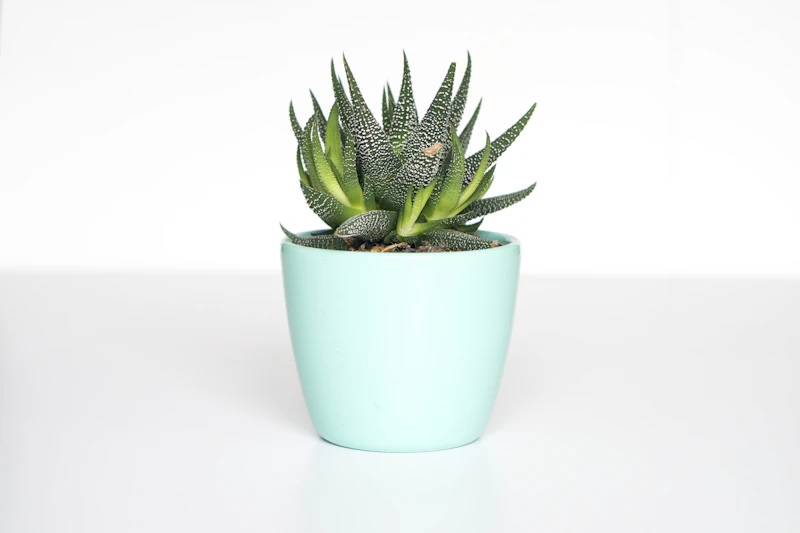
Table of Contents
Top 10 Elite Air-Purifying Houseplants Overview

Choosing the Best Indoor Plants requires understanding how different botanical species process volatile organic compounds (VOCs). Scientific studies from environmental authorities like the NASA Clean Air Study demonstrate that specific leafy greens actively strip formaldehyde, benzene, and carbon monoxide from indoor spaces. Let’s explore the top ten varieties that excel in both aesthetics and atmospheric purification.
Rubber Plant (Ficus elastica)

Characterized by thick, glossy, burgundy-tinted foliage, the Rubber Plant is an exceptional air-cleansing powerhouse. It thrives in bright, indirect light and efficiently breaks down airborne chemical vapors, making it one of the Best Indoor Plants for living rooms and office corners.
Dracaena ‘Janet Craig’ (Dracaena fragrans)

Known for its dark green, sword-shaped leaves, the Janet Craig dracaena is exceptionally resilient. It handles lower light conditions with ease and ranks among the elite air purifying plants for bedroom settings due to its stellar formaldehyde-removal capabilities.
English Ivy (Hedera helix)
If you struggle with seasonal allergies or damp spaces, English Ivy is a phenomenal addition. Research indicates it is one of the most effective plants that purify the air from mold spores, trailing gracefully from hanging baskets or high shelves.
Pothos (Epipremnum aureum)
Often dubbed the ultimate beginner plant, Pothos features heart-shaped marbled leaves that cascade rapidly. It requires minimal watering and ranks high among low maintenance indoor plants for clean air, scrubbing carbon monoxide and xylene effortlessly.
Bamboo Palm (Dypsis lutescens)

With soft, feathery fronds, the Bamboo Palm brings a tropical ambiance indoors. Beyond filtering common household pollutants, it functions as a natural humidifier, making it one of the Best Indoor Plants for dry winter months or air-conditioned rooms.
Boston Fern (Nephrolepis exaltata)

Boston Ferns boast delicate, ruffled fronds that instantly soften interior spaces. They act as heavy-duty purifiers against xylene and formaldehyde while adding rich moisture back into indoor microclimates when placed in bathrooms or well-lit kitchens.
Peace Lily (Spathiphyllum)

Recognized for their elegant white spathe flowers and deep green foliage, Peace Lilies are stellar at neutralizing ammonia, benzene, and trichloroethylene. They droop dramatically when thirsty, serving as a helpful visual reminder for plant parents.
Spider Plant (Chlorophytum comosum)
Extremely pet-friendly and hardy, Spider Plants produce arching striped leaves and playful baby plantlets. They rank among the safest indoor plants for air purification safe for pets, clearing carbon monoxide and particulate matter rapidly.
Snake Plant (Sansevieria)
Architectural and sculptural, the Snake Plant (or mother-in-law’s tongue) is unique because it releases oxygen during the nighttime hours rather than the day. This nocturnal oxygen output makes it one of the absolute Best Indoor Plants to keep beside your bed.
Weeping Fig (Ficus benjamina)
With delicate, cascading branches and small glossy leaves, the Weeping Fig acts as a graceful indoor tree. It excels at filtering heavy pollutants like formaldehyde and benzene originating from carpets and furniture finishes.
Comparison Table: Low-Maintenance vs. High-Care Indoor Plants
Choosing the right botanical varieties depends on your lifestyle schedule and indoor lighting conditions. Review the comparison below to find your ideal match.
| Plant Category | Advantages (Pros) | Disadvantages (Cons) |
|---|---|---|
| Low-Maintenance Species (Snake Plant, Pothos) | Survives neglect, low watering needs, thrives in dim corners. | Can suffer root rot if overwatered out of excessive zeal. |
| High-Humidity Species (Boston Fern, Peace Lily) | Exceptional air-humidifying and toxin-scrubbing power. | Requires consistent misting, watering schedules, and bright indirect light. |
Pros and Cons of Cultivating Indoor Greenery
Bringing nature indoors offers immense psychological rewards alongside minor physical upkeep duties.
The Advantages
- Enhanced Mood & Focus: Interacting with indoor plants reduces cortisol levels and mental fatigue.
- Natural Air Filtration: Continuously removes indoor VOCs and increases clean oxygen levels.
The Challenges
- Pest Management: Occasional fungus gnats or spider mites can appear if humidity and soil moisture are unbalanced.
- Pet Safety Considerations: Certain popular varieties require placement out of reach of curious cats and dogs.
Financial Independence & Botanical Investment Calculator
Investing in indoor greenery reduces healthcare and air purifier filter replacement costs over time. Use the interactive calculator framework below to see how minor home wellness savings compound toward financial independence.
FINANCIAL INDEPENDENCE & WELLNESS SAVINGS CALCULATOR
Results Summary:
* Total Cash Saved in 10 Years: $7,500
* Compound Investment Wealth Generated: ~$10,788
Frequently Asked Questions – Best Indoor Plants
1. Which indoor plants are completely safe for cats and dogs?
Spider plants, Boston ferns, and parlor palms are wonderful pet-safe options that clean indoor air without posing toxic risks if nibbled by household animals.
2. How often should I water low-maintenance indoor plants?
Most low-maintenance varieties like Snake Plants and Pothos prefer their soil to dry out completely between waterings—typically every 1 to 2 weeks depending on indoor temperatures.
3. Can indoor plants really improve mental health and reduce stress?
Yes, numerous horticultural studies confirm that tending to living greenery lowers blood pressure, enhances mindfulness, and significantly boosts overall mood.
Conclusion
Cultivating the Best Indoor Plants in your living and working spaces is a profound investment in both your physical vitality and emotional tranquility. By selecting resilient air purifiers like Snake Plants, Pothos, and Rubber Plants, you guarantee a fresher, oxygen-rich environment. Start greenifying your home today and breathe cleaner air every single day!