
How to Choose the Right Fitness Routine for Your Body Type and Goals
Designing an effective Fitness Routine is the cornerstone of achieving long-term physical vitality, transforming your physique, and maintaining optimal health. Whether your goal is understanding *how to make a workout plan for a woman*, learning *fitness tips for daily routine*, or figuring out how to reshape your physique based on unique physiological traits, a strategic roadmap is essential. Without a personalized structure, most trainees bounce between random exercises, leading to burnout and stagnation.
In this comprehensive guide, we will break down step-by-step methodologies to help you build, track, and optimize a custom regimen tailored specifically to your body type—whether you are working out for general wellness or targeting specific goals like how to get in shape fast female transformations or building lean mass.
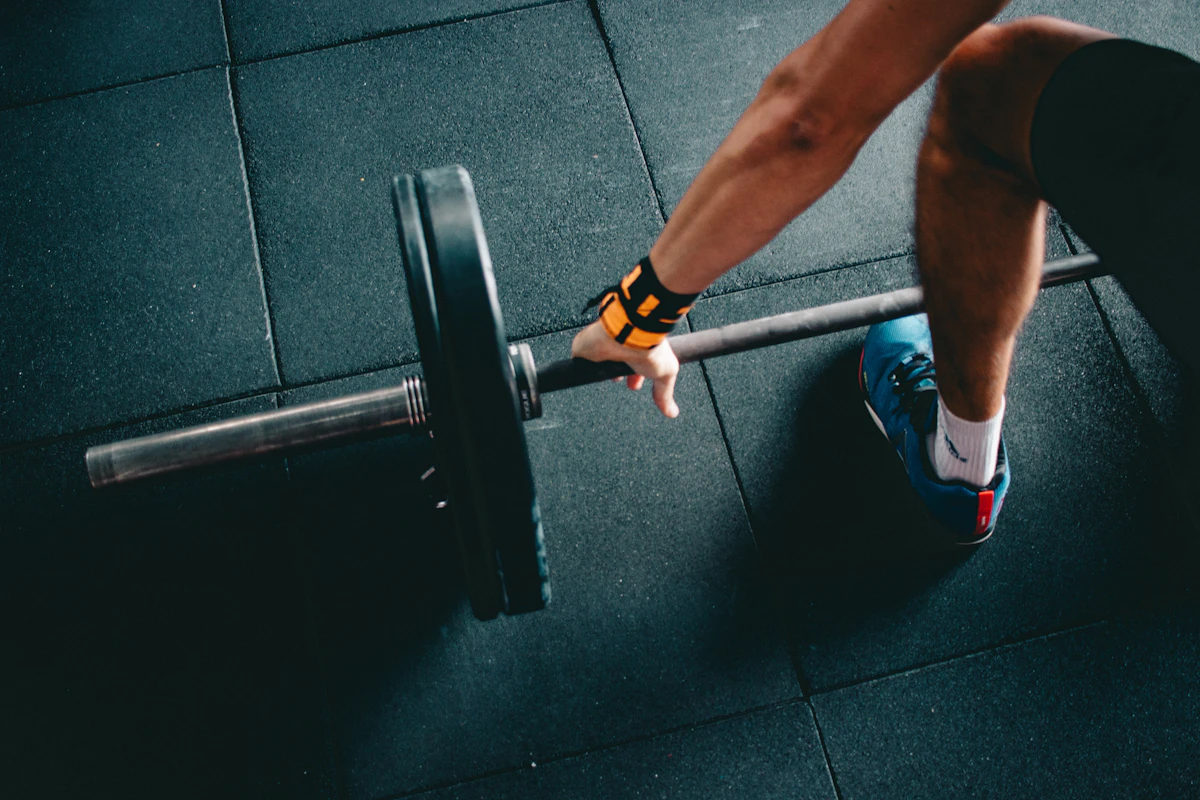
Assessing Your Baseline and Phase #1: Determine Your Starting Point
Before lifting a single dumbbell or downloading any generic fitness plan example for a week, you must honestly evaluate where you currently stand. Your training capacity depends heavily on your current conditioning, injury history, and daily schedule availability. Beginners should focus on foundational movement patterns (squats, hinges, pushes, and pulls), while intermediate athletes can integrate complex progressions.
Phase #2: Selecting Targeted Movements for Fat Loss and Muscle Hypertrophy
A common question beginners ask is, “What exercises should I do to lose weight (or build muscle)?” The secret lies in prioritizing compound multi-joint movements over isolated isolation exercises. Compound lifts burn more calories, stimulate greater hormonal responses, and build balanced structural integrity.
Phase #3: Programming Volume with Sets and Repetitions
Determining “How many sets and reps should I do per exercise?” depends directly on your ultimate goals:
- For Strength & Power: 3 to 6 sets of 1 to 5 repetitions with heavy loads.
- For Muscle Growth (Hypertrophy): 3 to 4 sets of 8 to 12 repetitions with moderate-to-heavy weights.
- For Endurance & Fat Loss: 2 to 4 sets of 15+ repetitions or high-intensity interval formats.
Phase #4: Managing Rest Intervals Between Working Sets
“How long should I wait between sets?” is a critical variable that many trainees ignore. If you are building absolute strength, rest for 2 to 3 minutes to allow your central nervous system to fully recover. If your objective is muscular endurance, conditioning, or high-calorie burning, keep rest intervals shorter—around 45 to 60 seconds.
Phase #5: Calibrating Training Intensity: How Much Weight Should I Lift?
Selecting the proper resistance requires finding the sweet spot where your final 2 to 3 repetitions of every set feel challenging yet executable with pristine form (often measured via RPE or Rate of Perceived Exertion). Never sacrifice posture just to lift heavier weights.
Phase #6: Session Duration: How Long Should I Exercise For?
Quality always trumps quantity. An intensely focused 45-to-60-minute strength and conditioning session is vastly superior to a sluggish 2-hour workout filled with distractions. Keep your heart rate elevated and your mind dialed into every single rep.
Phase #7: Accelerating Results Through Supersets and Circuit Training Workouts
If you are short on time and want to maximize metabolic output, integrating supersets (pairing two opposing exercises back-to-back with zero rest) or full-body circuit routines is a game-changer. This approach elevates your heart rate, burns maximum fat, and condenses a 90-minute workout into an efficient 40-minute block.
Phase #8: Frequency: How Many Days Per Week Should I Train?
Consistency beats intensity every single time. Most individuals thrive on a 3-to-5-day weekly training split. Tailor your frequency to your daily lifestyle so that your Fitness Routine remains sustainable month after month.
Phase #9: Tracking Metrics: How to Record Your Workouts and Progress
What gets measured gets managed. Keeping a dedicated training journal or using a digital app allows you to track progressive overload—ensuring you lift slightly more weight, perform extra reps, or improve your form week after week.
Structured Comparison: Body Conditioning Approaches
| Training Element | Traditional Split Approach | Circuit & Superset Approach |
|---|---|---|
| Time Commitment | 60–90 minutes per session | 30–45 minutes per session |
| Primary Benefit | Maximum pure strength and muscle isolation | High fat burn, cardiovascular conditioning, and efficiency |
| Ideal Audience | Intermediate to advanced lifters | Busy professionals, beginners, and weight loss seekers |
Pros and Cons of Structured Fitness Regimens
| Pros (Advantages) | Cons (Potential Challenges) |
|---|---|
| Clear structure prevents gym anxiety and guesswork. | Can feel rigid if schedule interruptions occur. |
| Ensures balanced muscle development across the body. | Requires initial discipline to track progress logs. |
| Faster physical transformations and measurable strength gains. | Risk of overtraining if volume is not properly managed. |
Interactive Financial Independence & Fitness Planner Calculator
Achieving total freedom requires balancing personal health with long-term financial security. Use this interactive tool to estimate your milestone metrics alongside your health goals:
Milestone & Savings Estimator
Investment Horizon: –
Projected Future Wealth Corpus: –
“Steve, Just BUILD a Workout for Me!”
If you are tired of overthinking and want a ready-to-go blueprint, here is a balanced 3-day full-body template you can start implementing today:
- Day 1 (Full Body Power): Goblet Squats (3×10), Push-ups or Bench Press (3×10), Bent-Over Dumbbell Rows (3×12).
- Day 2 (Conditioning & Core): 30 Minutes of Incline Treadmill Walking + Plank Holds (3 rounds).
- Day 3 (Full Body Endurance): Romanian Deadlifts (3×10), Overhead Shoulder Press (3×10), Lat Pulldowns (3×12).
Conclusion
Mastering your Fitness Routine is a life-changing journey that blends discipline, science, and consistency. By understanding your specific body type, focusing on progressive overload, and keeping your workouts structured, you will unlock sustainable physical health. For additional evidence-backed fitness guidance, explore resources on Nerd Fitness and Bodybuilding.com.
Frequently Asked Questions (FAQs)
What are the best fitness tips for a daily routine?
Keep your workouts consistent, prioritize daily step counts (aiming for 7,000–10,000 steps), stay hydrated, and ensure you get 7–8 hours of quality sleep for optimal recovery.
How can women get in shape fast safely?
Combine strength training 3 times a week with moderate cardio, focus on high-protein nutrition, and maintain a slight caloric deficit while avoiding extreme crash diets.
How do I create a workout plan for a woman?
Incorporate compound movements that target the lower body and core, balance pushing and pulling upper body exercises, and adjust intensity levels based on personal fitness levels.
What is a good fitness plan example for a week?
A balanced weekly plan includes 3 days of full-body strength training, 2 days of active recovery or steady-state cardio, and 2 complete rest days.
Body Types Quiz: What Is Your Body Type?
Discover if you're an Ectomorph, Mesomorph, or Endomorph and learn how to exercise and eat for your unique body type.
1. What best describes your natural bone structure and build?
2. How does your body typically respond to food and calories?
3. How easy is it for you to build muscle in the gym?
4. How would you describe your metabolic rate?
5. What is your primary fitness or body goal?
Read more - How to Create a Morning Routine That Sets You Up for Success